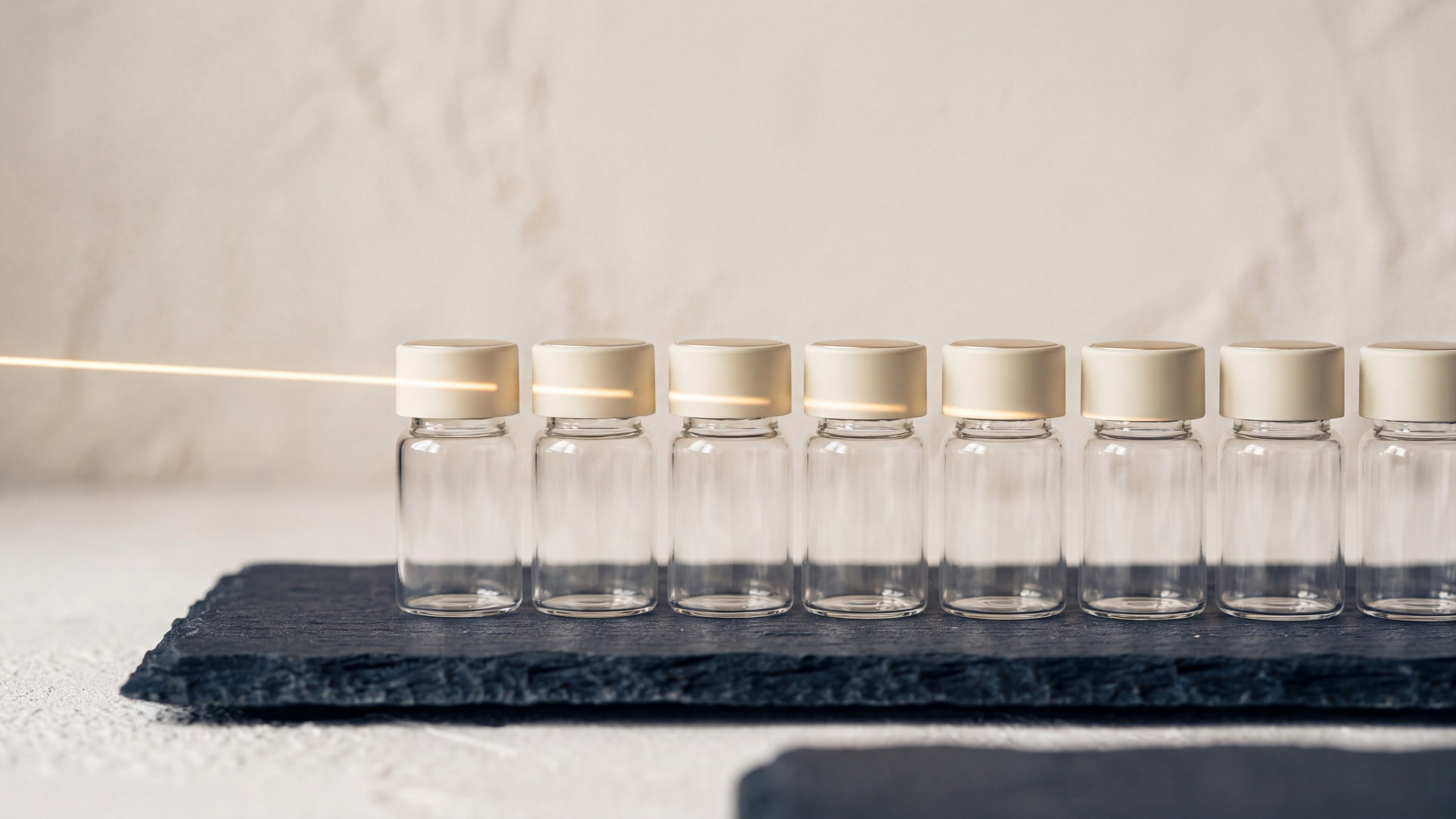
Your Achilles tendon has ached for months. Rest and stretching have not settled it. Friends at the gym keep mentioning BPC-157. So what is BPC-157, and could it help you?
BPC-157 is a lab-made peptide that researchers study for tissue repair. In animal studies, it helped tendons heal and protected the stomach lining. No controlled human trial has yet shown that it works for any condition, and the FDA has not approved it. Under a temporary federal policy from late October 2026, a state-licensed pharmacy may now compound it with a prescription.
What is BPC-157?
BPC-157 is a peptide, a short chain of 15 amino acids. Scientists make it in a lab. Its design copies part of a protein found in human stomach juice. The name stands for Body Protection Compound 157.
What studies have tested
Most BPC-157 research comes from rats and other animals. A result in a rat often looks different in a person.
Tendons and ligaments
A 2025 orthopedic review gathered the animal studies on tendons and ligaments. In rats with a cut Achilles tendon, BPC-157 improved the structure and function of the healing tendon. In rats with a cut knee ligament, it helped the ligament regain its strength. Researchers made those cuts in surgery. The human studies so far have not tested BPC-157 for a sore Achilles.
A University of Arkansas team has registered a controlled trial of BPC-157 after rotator cuff surgery. It has not started recruiting, and its estimated start is January 2027. You can follow the study record.
Muscle and bone
The same review covers injured muscle in rats, where BPC-157 improved muscle repair. In rabbits with bone that would not heal, it worked about as well as a bone graft.
The stomach and gut
In rats, BPC-157 reduced stomach damage from alcohol and from anti-inflammatory pain pills, according to a 2025 review.
FDA staff reviewed BPC-157 for ulcerative colitis before the July 2026 advisory meeting. They found no evidence that it works for that condition.
What the human research shows
Human research on BPC-157 is still small. The orthopedic review covered dozens of studies through mid-2024, and only one of them involved people.
That one study looked back at about a dozen people who had BPC-157 injected into a painful knee. Nearly all of them reported significant relief. The study had no comparison group and used no standard pain survey. So it cannot show whether BPC-157 caused the relief.
A 2025 pilot study came out after that review. It gave BPC-157 through an IV to two adults, and the researchers reported that both tolerated it. Two people cannot show that a drug is safe for everyone.
What we know about safety
Nobody has shown yet how safe BPC-157 is in people, and health authorities discourage its use for that reason. Because the human data are thin, the quality of what you take matters even more.
Many products sold online carry a “research use only” label. Health Canada warned in April 2026 against injecting peptides bought online, and it named BPC-157. ABC News reported that unregulated products may not be what the label says, and that they may carry contaminants.
If you race in tested events, this matters. The World Anti-Doping Agency bans BPC-157 in competition and out of it, and USADA explains the ban.
Is BPC-157 legal in November 2026?
The FDA has not approved BPC-157, and it is not on the FDA’s list of substances that pharmacies may compound. A temporary federal policy now lets a state-licensed pharmacy compound it on a patient-specific prescription. To compound means to make a medicine for one patient.
In July 2026, an FDA advisory committee narrowly voted to recommend adding BPC-157 to the list of substances that pharmacies may compound. FDA staff had advised against it. They pointed to weak evidence and to a substance that is hard to test for quality. The vote was advice, and the FDA has not acted on it yet.
On October 28, 2026, the U.S. Department of Health and Human Services filed the temporary policy. Under it, the pharmacy must use traceable ingredients and test for quality. It must also report safety problems. HHS states that the policy does not grant FDA approval or establish that BPC-157 is safe and effective. The policy lasts until the FDA finishes writing its rules. AJMC explains the policy in more detail.
BPC-157 at Contours
We help active adults optimize their health so they can enjoy life for decades. Ongoing tendon pain deserves a proper exam, whether or not BPC-157 turns out to fit.
Your first step is an exam by telehealth, open to patients across all of Colorado. We review your health history and your goals with you. Then we weigh what the research shows with you. Sometimes BPC-157 fits, and sometimes another option fits better. Our peptide therapy page describes our medically supervised peptide care. For joint pain, we also offer non-surgical joint rejuvenation injections.
When you are ready, start the conversation or text 720-807-1991.